Composing the Uncanny: Inside Ian Hultquist’s Score for HBO’s Bring Me the Beauties
Composer Ian Hultquist talks about writing from the heart, scoring persuasion instead of fear, and the one 3rd Wave 8M patch that ended up carrying an entire cue.
Ian Hultquist has spent the past decade-plus scoring for film and television, from The Walking Dead: Dead City to I Know What You Did Last Summer, after leaving his post as a founding member of Passion Pit in 2014 to focus on composing full time. His latest work is the score for Bring Me the Beauties: A Model Cult, the three-part HBO documentary series from director Chris Smith that follows former male supermodel Hoyt Richards through his decades-long entanglement with Eternal Values, a group led by the self-described spiritual guide Frederick von Mierers.
Ian first crossed paths with Groove Synthesis in 2022, when his friend Peter Dyer showed up to buy a keyboard stand with a pre-production 3rd Wave keyboard still in the trunk of his car. Peter, an exceptional keyboard player and arranger who regularly writes for Katy Perry’s live shows, has been a Groove supporter from the beginning and has contributed to the 3rd Wave’s factory patches. The synth’s iconic blue color stuck with Ian, but it wasn’t until the start of 2026 that he finally picked up an 8M Desktop of his own. The timing couldn’t have been better as work on Bring Me the Beauties was ramping up, and it quickly became one of the signature instruments carrying the score. Additional music for the series was written by Ian’s longtime assistant, Ben Van Vlissingen.
We talked with Ian about writing this score, what it takes for a synth to earn a permanent place in his studio, and the 8M patch that ended up carrying one of the show’s cues.
You’ve scored dozens of projects at this point. What was different about walking into this one?
I don’t know exactly what it was, but this project allowed me to unlock something that I hadn’t unlocked in a long time, where I was really writing from the heart a lot more. Before I even started thinking about the first cue, I just wrote a bunch of music, not necessarily to picture, but with the story in mind. Sometimes that’s a ten-minute suite with five different themes running through it. On Beauties, it ended up being almost like writing an EP’s worth of material, four tracks, three to six minutes each, just to find the general vibe of how I thought it should play out.
I think it helped that Chris Smith and I worked together on my first narrative film twelve years ago, and I’d worked with our editor, Amanda Griffin, on other projects too, so there was already a lot of trust in the room. I was pulling a lot of inspiration from Beck’s Sea Change around that time, not the guitars specifically, but in terms of the production, the synths, and the way it feels. It came out a lot easier than usual, which honestly isn’t the norm for me. That was a nice surprise.
What did Chris and your producer, Ryann Fraser, actually ask for, tonally?
They had set a pretty clear vibe going in. Definitely a very synth-driven score, something that can push into ’80s territory at times without ever feeling comical, with room for real dark tension. I should give Ryann a lot of credit too. Chris directed it, but I think she was the voice behind the scenes pushing the creative, and this had been her project as much as his for a long time.
They handed me the direction and let me run with it. When someone tells you, “This is where we’re going, I know you can do this, just do your thing,” it gives you the freedom to take the reins off. It just makes for a more enjoyable experience.
This isn’t a crime thriller; it’s a story about persuasion and belief. How did that shape the way you approached the score?
A lot of it was putting myself in the shoes of Hoyt Richards and the other members of Eternal Values. Trying to feel what it would have been like to meet Frederick von Mierers, hear the things he says, and fall down that rabbit hole. One of the first pieces I wrote, “Through the Looking Glass,” which made the soundtrack, was built around that specific feeling: looking through a kaleidoscope and getting lost in the awe and beauty in front of you until you forget what’s real and what’s outside of it.
That was a big part of scoring the persuasion in this story, rather than scoring a threat. It’s less about tension and pacing and more about scoring the illusion you fall into.

You pointed us to the track “A Shift From Celibacy” when you first reached out. What’s happening in the story there, and how did the 3rd Wave 8M end up carrying it?
Celibacy was one of the core tenets of Eternal Values early on. It wasn’t about lust; it was about living toward a higher purpose while still, in a way, partying, just without the sex. At some point, Frederick von Mierers does a complete reversal and starts pushing everyone to “congregate” instead. This cue scores that shift, going from celibate monks to very passionate, primal beings almost overnight. So it plays like a steamy ’80s club scene, but there’s something weird and twisted sitting underneath it, because for the people living it, it didn’t feel disturbing yet. They were teenagers and people in their early twenties who wanted this. There’s a darkness to the change even though it felt like a welcome one to them at the time.
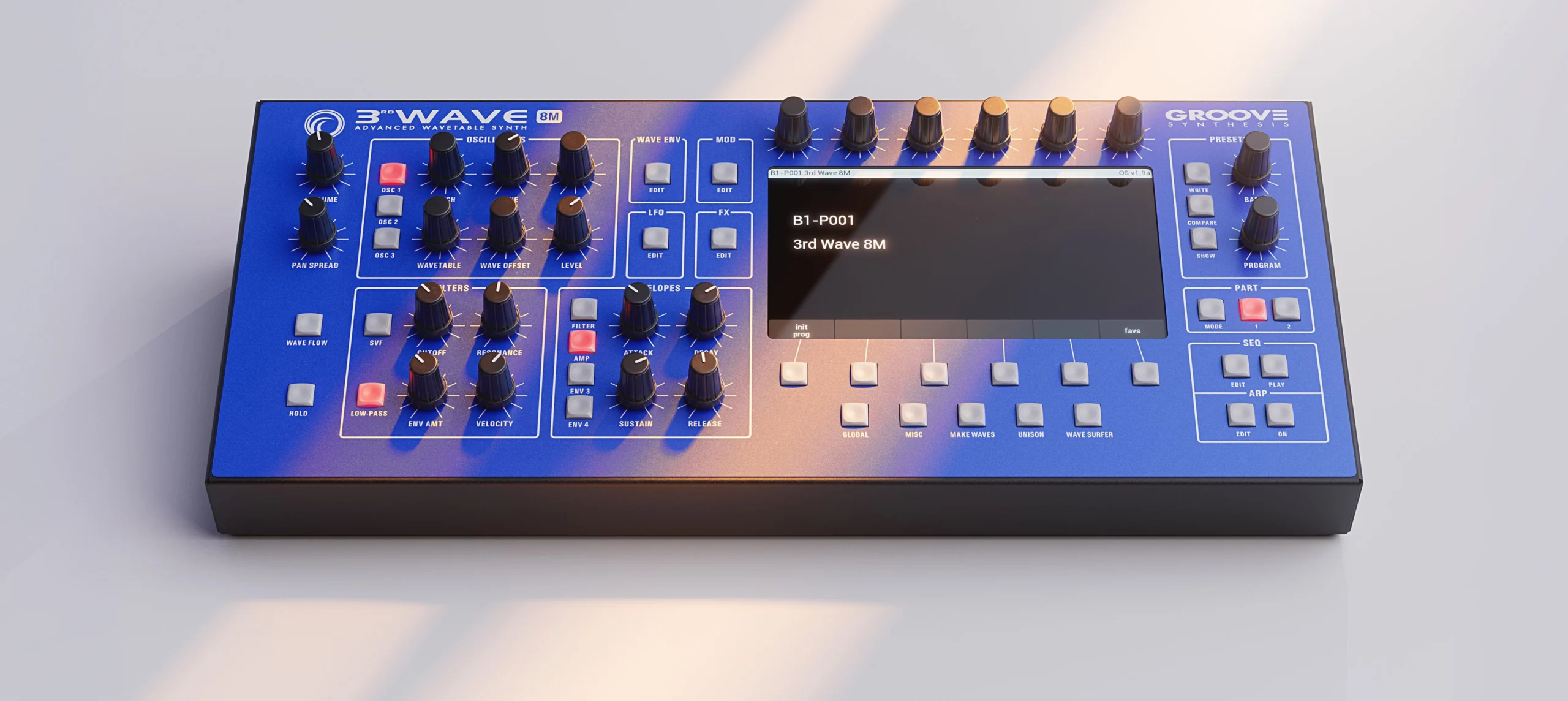
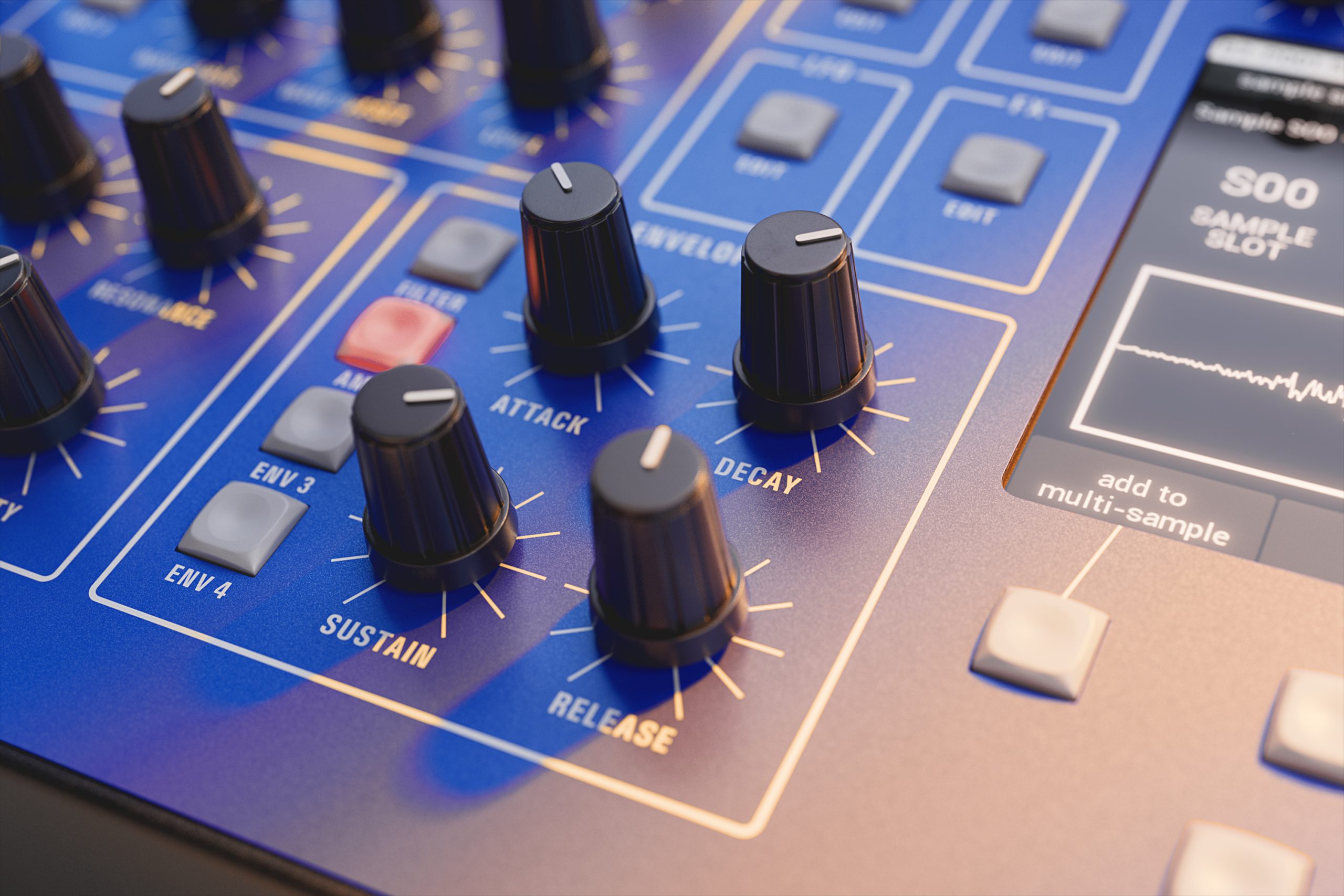
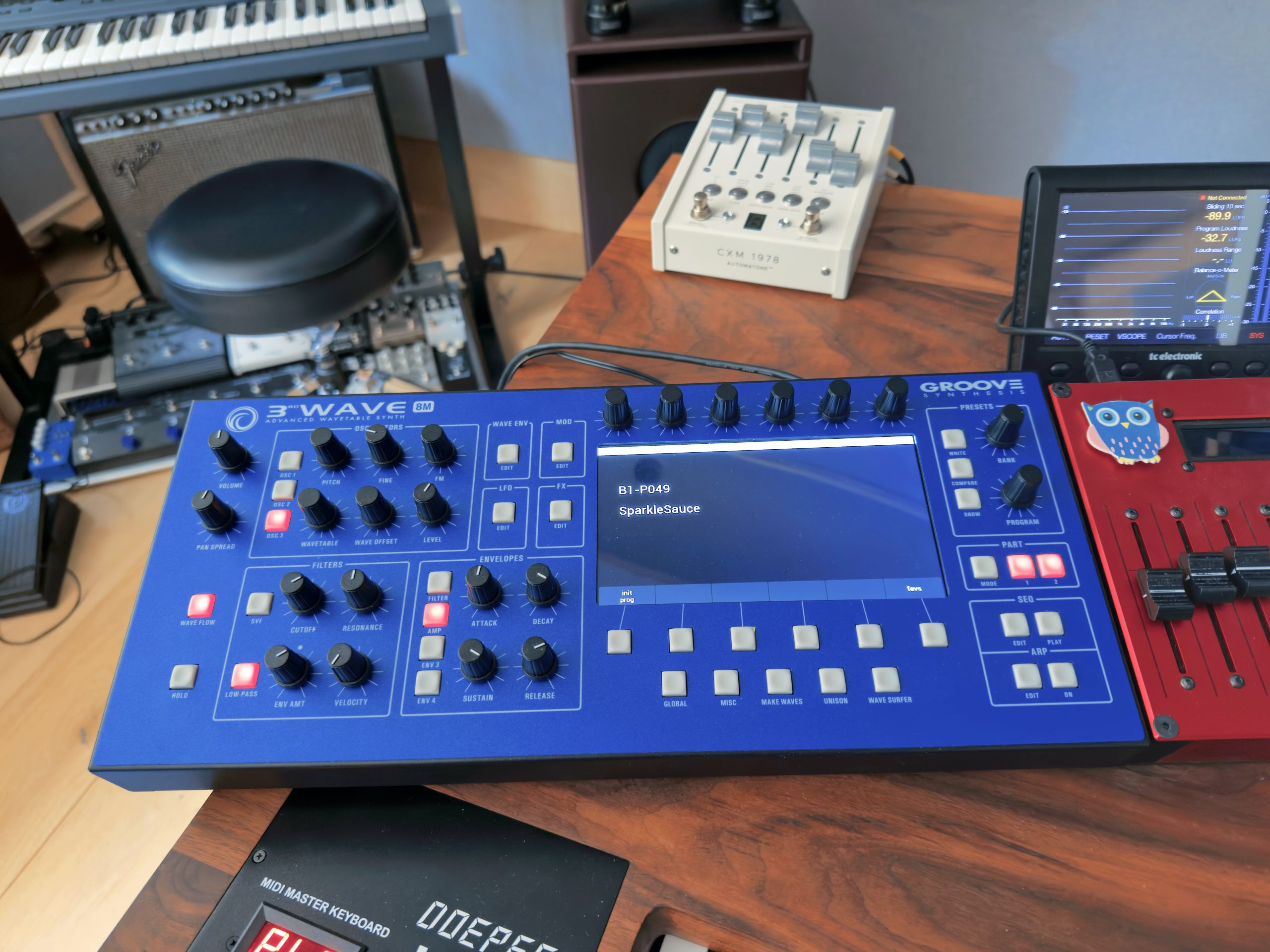
The whole cue started with a single patch. It’s called ‘SparkleSauce’, a factory patch on the 8M (B1-P049) built from two PPG-style wavetables and a more modern additive bell-type user wavetable, which is where that glitchy, almost broken quality at the front of the cue comes from. I found it, barely touched it, and just knew immediately, that’s it, I’m going with that. Sometimes writing is that easy. You find a sound that’s already inspiring, and you run with it. Everything else in that cue, the counterpointal guitar line with a Korg SDD-3000 delay, the big Prophet-10 keys, the Moog Model D bass, got built around that one patch.
How would you describe the 3rd Wave’s sound compared to the rest of your rig?
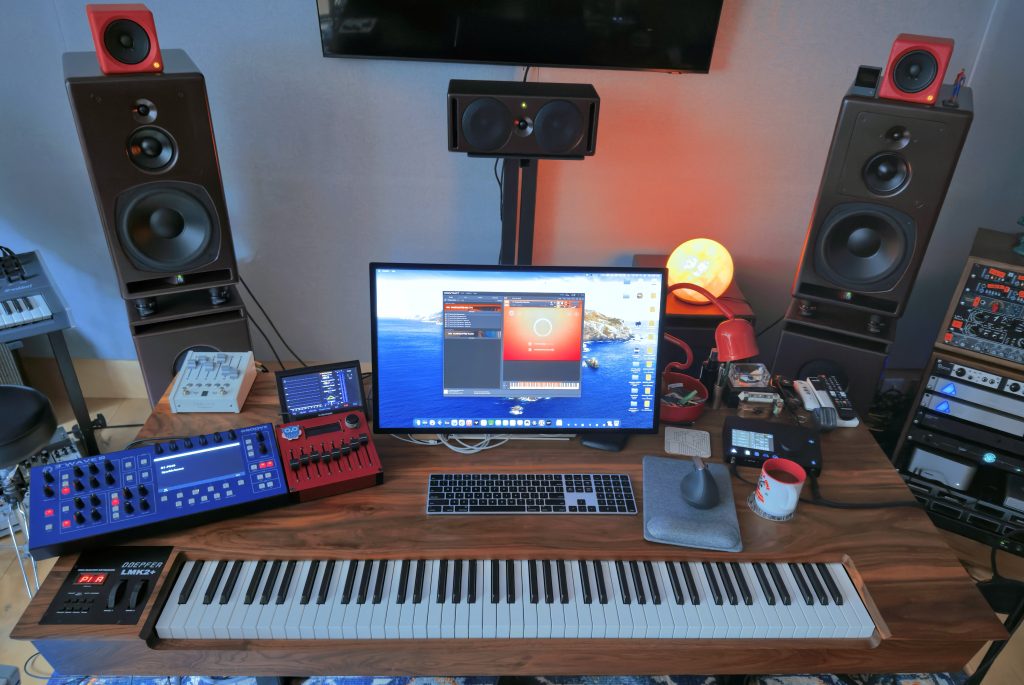
The sound is so different because it has this digital cleanness to it, but it also feels so warm and deep at the same time. A lot of synths have a really cool sound that still doesn’t quite hit me in the chest; it feels a bit more like surface-level sheen. I like something that can shake the room if I need it to, and this little blue box on my desk somehow does that. From the moment I first turned it on, I thought, this sounds so interesting and unique. It doesn’t sound like my Prophet-10. Doesn’t sound like the Super Gemini. Doesn’t sound like the Waldorf Quantum. It sounds like its own thing, and it’s just as powerful as anything else in the room.
I’ve even ended up using it for bass more than I expected to. I’ve got a Moog Model D sitting right there, which is usually my first move, but the 8M has such a great bass sound. It goes deep and round in a way that becomes the foundation of a cue. It finds that solid point where it can hold a whole piece of music together. Other moments I’m using it for really gorgeous pads.
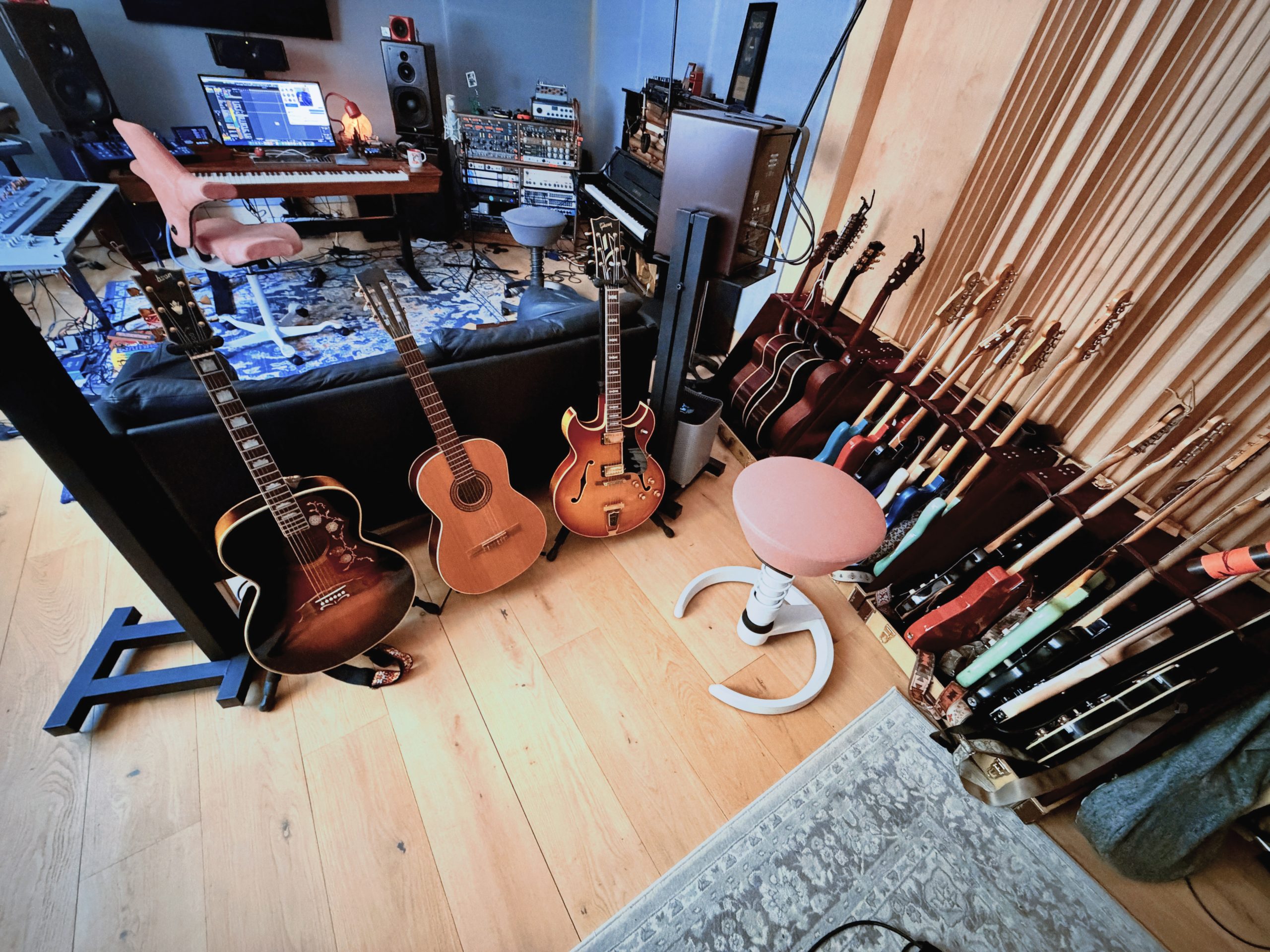
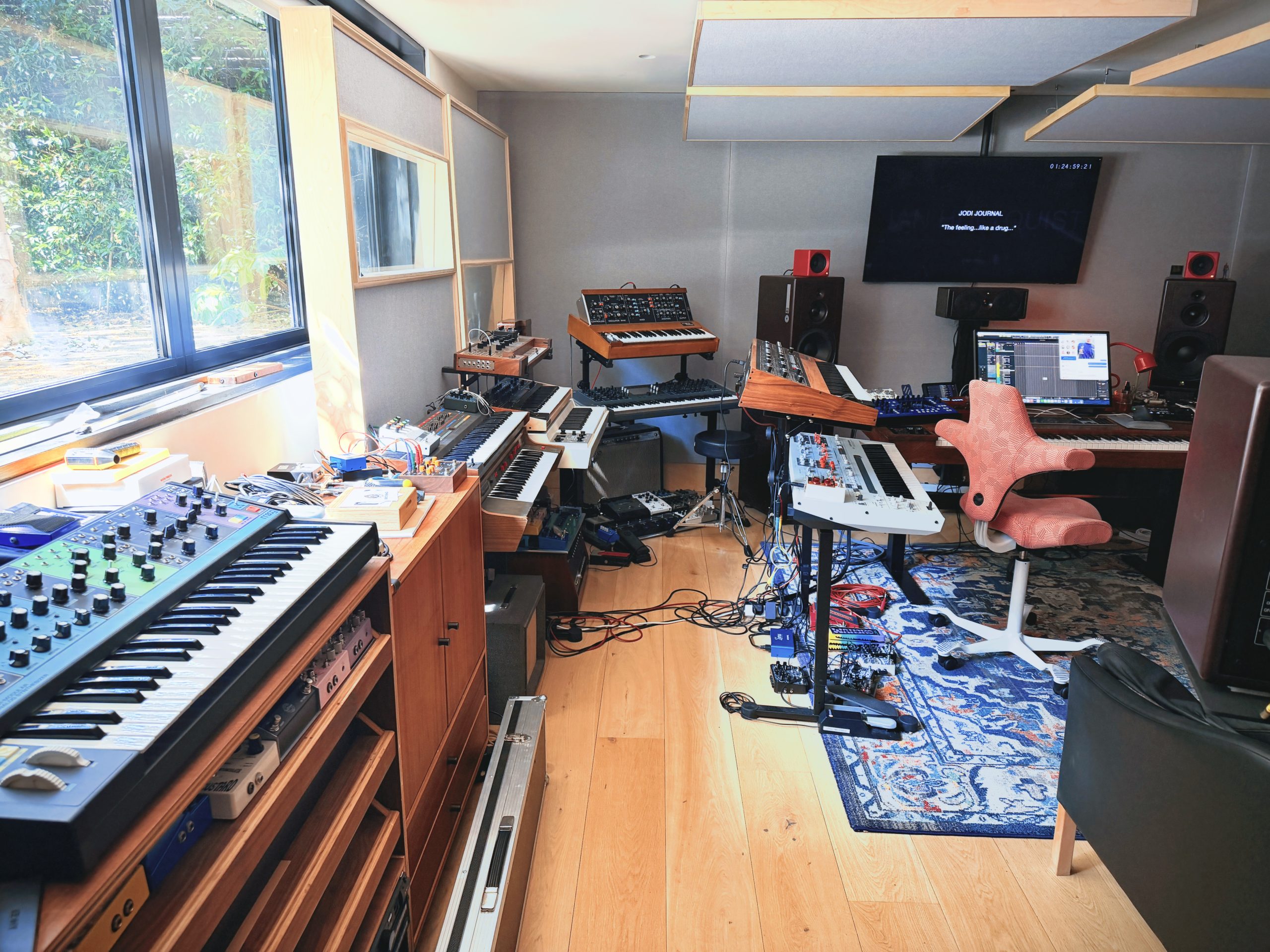
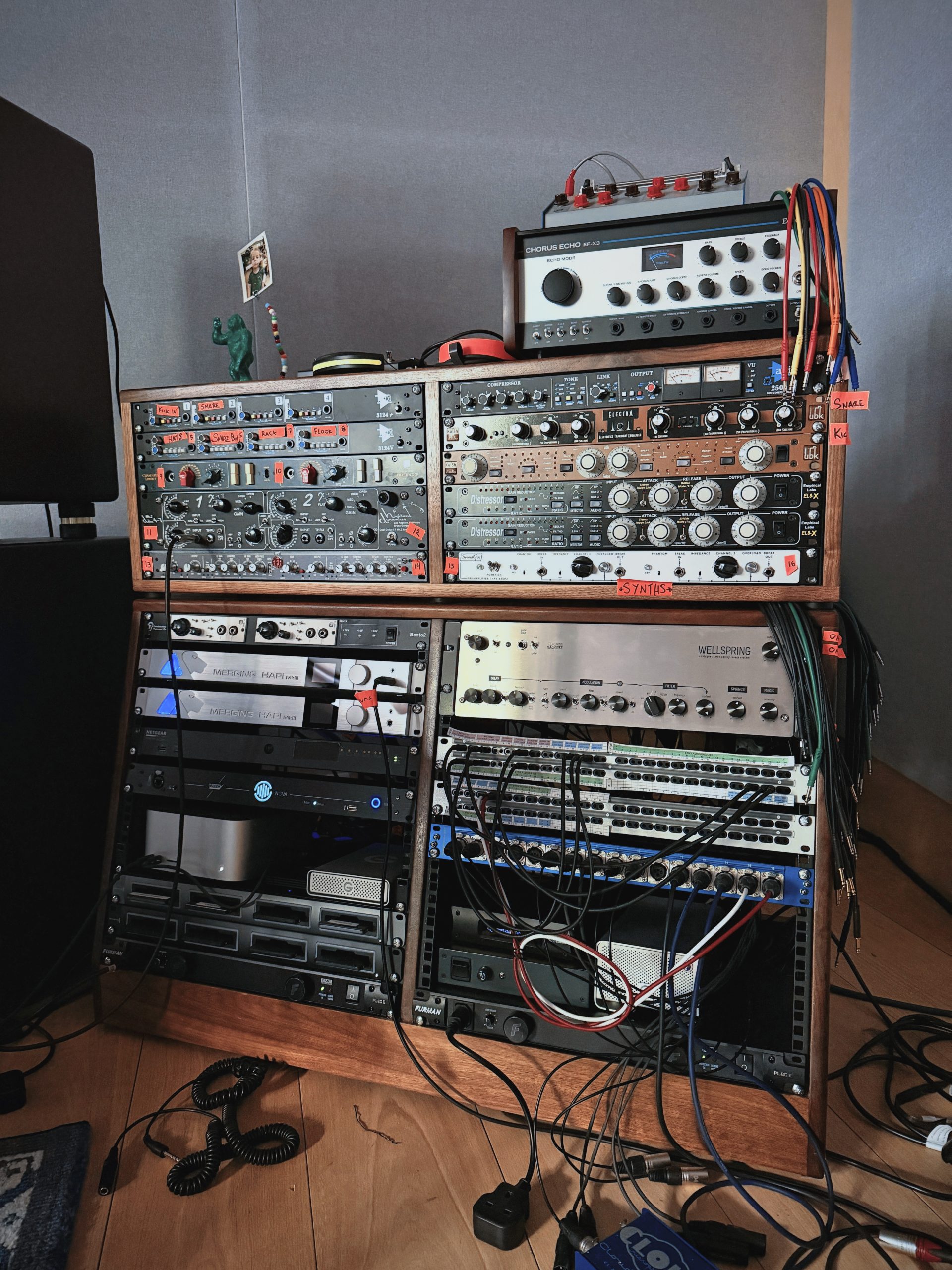
Your studio has clearly gotten more selective since your last synth interview. What does it take for something new to earn a permanent spot?
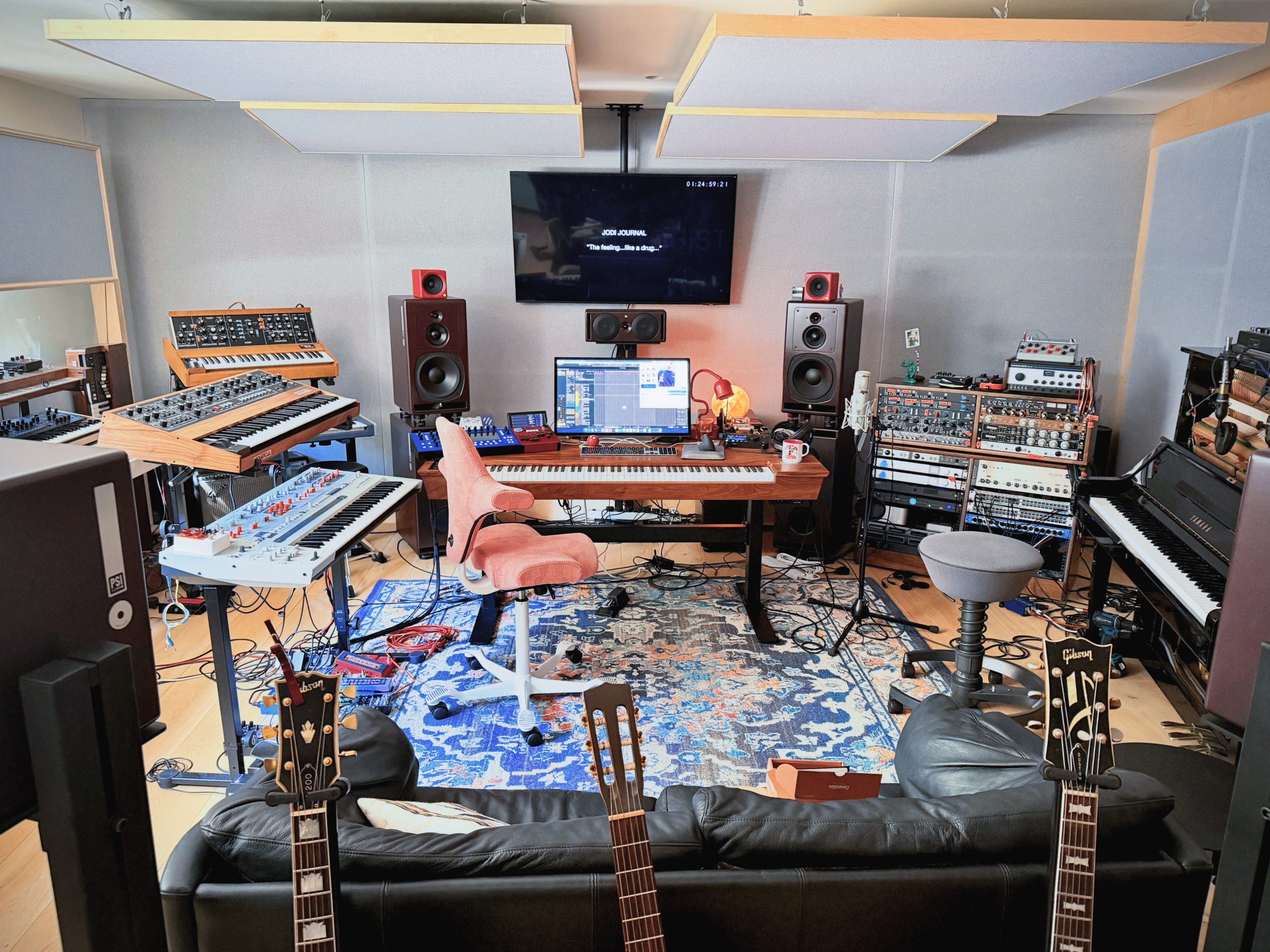
If anything, I’ve gotten a lot better about knowing what I like quickly. I basically have to have a synth in the room and try it on something I’m actually working on to know if it’s a keeper. That means I buy a lot of synths, but then I also end up selling a lot of synths. Most of what was in my old rig has moved on to other homes by now. When I’m in the middle of scoring a docuseries with an hour of music per episode and only a few weeks to do it, I need instruments I can react to immediately. If something requires a deep dive just to get a usable sound, it usually doesn’t stick around. I like stuff that’s quick and intuitive.
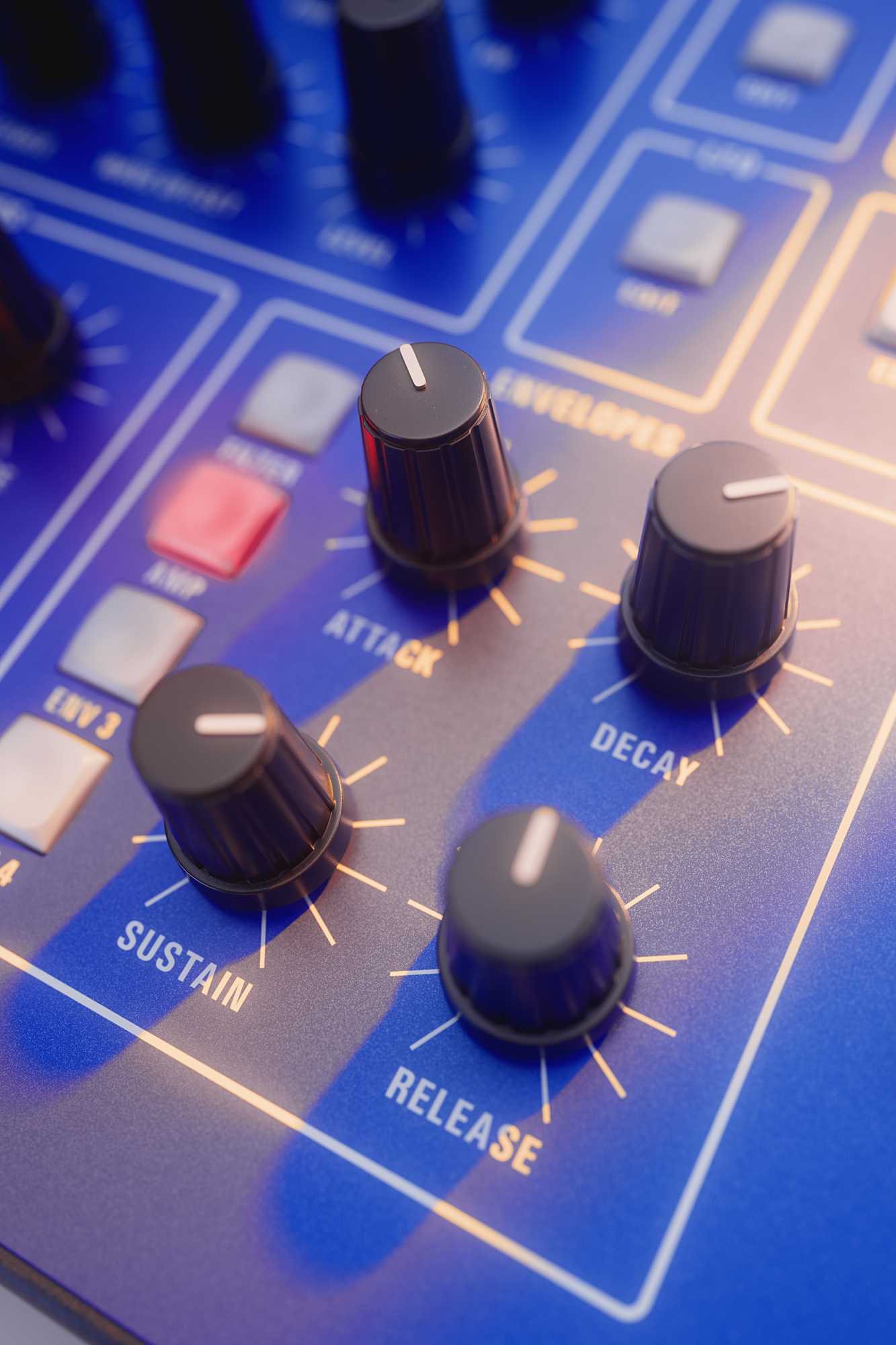
The 3rd Wave’s interface is well-designed enough that even though I don’t know exactly what’s happening inside every patch, I can turn it on, find something, make a few tweaks, and be recording within a minute or two. That’s really the test. Does it earn its place, or does it end up getting sold? This one earned it.
Why does it matter to you to actually be in front of a hardware synth and play it, rather than sequence it from your desk?
I try not to send a lot of MIDI out to my synths if I can help it. I like to be at the synth and play it, because that’s what makes it feel like playing an instrument to me. If everything’s hooked up over MIDI and I’m never really touching it, I might as well be using a software synth, which I use plenty of too, but I want hardware to feel like its own thing. I grew up playing guitar in bands before I grew up sequencing anything, so I still think of synths as a playable instrument first.
What do directors and music supervisors actually mean when they ask for something that feels “’80s” or vintage?
For the most part, someone wants a feeling of the ’80s without it actually sounding dated, unless we’re literally replacing a licensed track that has to sound like it came straight out of that decade. Mostly it’s about capturing a mood. “A Shift From Celibacy” is a good example; it’s ’80s-influenced but still feels contemporary at the same time. A lot of the scores I get hired for are definitely synth-based and carry that edge, because synths were everywhere in scoring back then.
But I don’t want anything to feel like a retro throwback. I want it to feel timeless, a bit fresh, not just a collection of sounds we’ve all heard a hundred times. That’s part of why I’ll mix something like Omnisphere with the 3rd Wave or the Prophet, bring in guitars and current-sounding drums, then layer a LinnDrum in underneath. You get a bit of everything. It sets the story in a time and place, but it doesn’t mean the story is being told from inside that time. You’re hearing something from back then, told now.
Is there anything on the 8M you haven’t dug into yet that you’re curious about?
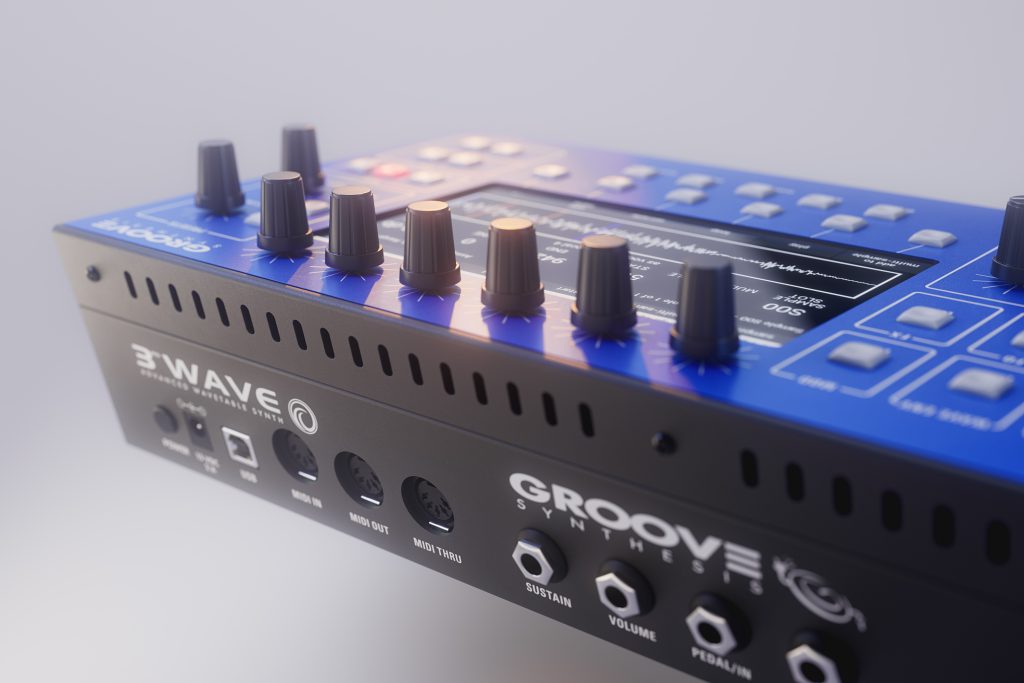
The two-part (bi-timbral) side of it, honestly. I haven’t gone too deep there. I’d love to find some really juxtaposing parts that play against each other, the way I sometimes do on the Super Gemini, where you take two wildly different sounds, layer them, and suddenly you’ve got something that sounds like a CS-80. It ends up feeling almost organ-like, which makes sense. That’s kind of what an organ is: putting all the different parts together and building the orchestra that way.
What’s a sound you’re still chasing, something you haven’t quite found yet?
I don’t have an Oberheim in the studio right now, and I’m curious about that sound. But the 3rd Wave 8M gets close enough that I keep talking myself out of buying one. It can cover so much ground that it’s hard to justify buying another synth at the moment. I’ve told myself the next purchase has to do something I genuinely can’t already find in this room. We’ll see what it ends up being.
Big thanks to Ian for chatting with us and sharing his process behind the soundtrack. Bring Me the Beauties: A Model Cult is streaming now on HBO Max. The soundtrack, including “A Shift From Celibacy,” is available on Spotify and Apple Music.